
About
Guangzhou Packnetic Import and Export Trade Co., Ltd. - your trusted partner for all-in-one, thoughtful packaging solutions!Established in 2003 and based in Foshan, our production line has 20 years of expertise in OEM and ODM services.With advanced production lines and a wide array of material and process options, we deliver packaging that combines top-notch quality with great value. Our goal is to help your products shine and stand out in the marketplace.Our product range includes everything from cardboard boxes, paper and plastic bags, and stickers to books, flyers, carbonless paper, and more. We serve a variety of industries, including food, pharmaceuticals, personal care, electronics, home appliances, beverages, and beyond.At Packnetic, we’re here to provide packaging solutions that don’t just meet your needs but exceed your expectations. https://www.packneticpack.com/
Home
Packnetic is dedicated to being small business-friendly by offering flexible, affordable packaging solutions that cater to the unique needs of startups and growing companies. With customizable packaging options, low minimum order quantities, and quick turnaround times, Packnetic makes it easy for small businesses to stand out without large-scale investments.Additionally, Packnetic provides subscription boxes, allowing businesses to engage customers through recurring deliveries with premium, tailored packaging. These eco-friendly, customizable boxes enhance brand image and customer loyalty, all while staying within budget and supporting business growth. As your packaging solutions partner, we are committed to growing alongside you.
Room 607, No. 689, Jiangnan Avenue South, Haizhu District, Guangzhou, China
 GLOSSY OR MATTE LAMINATION: HOW TO SELECT THE RIGHT PACKAGING FINISH
Gloss lamination packaging is usually suitable for products that need bright colors, strong shelf appeal, and a polished surface. Matte lamination packaging is often preferred by brands seeking a softer, more refined, and premium appearance.
The right option depends on the product category, brand positioning, artwork, packaging material, sales environment, and handling requirements. Both finishes can improve the appearance of custom boxes, paper bags, labels, brochures, and other printed materials while adding a protective layer to the printed surface.
For brands comparing gloss lamination packaging with matte lamination packaging, understanding how each finish affects color, texture, glare, durability, and customer perception is essential before starting mass production.
What Is Gloss Lamination Packaging?
Gloss lamination packaging is produced by applying a shiny, transparent film to the surface of printed paper or paperboard. The reflective finish can make colors appear brighter, increase image contrast, and give the packaging a polished appearance.
This type of lamination works especially well with designs that contain:
Bright and saturated colors
Product photographs
Detailed illustrations
Promotional graphics
High-contrast patterns
Gloss lamination packaging is commonly used for food boxes, beverage packaging, children’s products, electronic accessories, promotional cartons, catalogues, and retail displays. Its bright surface can help products attract attention when they are displayed alongside competing items.
The laminated film also provides additional resistance to light scratches, dirt, moisture, and repeated handling. However, it does not make the entire package completely waterproof.
What Is Matte Lamination Packaging?
Matte lamination packaging uses a smooth, low-reflection film that reduces glare and creates a softer visual effect. Instead of making printed colors appear brighter, it gives the packaging a more restrained and sophisticated appearance.
This finish is frequently selected for:
Cosmetics and skincare boxes
Perfume packaging
Jewellery boxes
Fashion accessories
Premium gift boxes
Books and stationery
Professional product packaging
Matte lamination packaging is particularly effective when the artwork uses dark, neutral, muted, or minimalist colors. It also works well for designs that rely on typography, clean layouts, and subtle branding rather than highly saturated graphics.
Packnetic provides lamination packaging solutions for custom boxes, paper bags, printed materials, and other OEM and ODM packaging projects.
Gloss Lamination Packaging vs Matte Lamination Packaging
Neither finish is automatically better for every project. Gloss lamination packaging can strengthen the visual impact of colorful artwork, while matte lamination packaging can support a more understated and premium brand image.
The final decision should be based on how the packaging needs to look, feel, and perform in its intended market.
How to Choose Between Gloss and Matte Lamination
The first consideration is the impression the packaging should create. Brands that want products to appear bright, energetic, and visually prominent may prefer gloss lamination packaging. Brands aiming for a calm, professional, or luxury presentation may find matte lamination packaging more suitable.
The retail environment also affects the decision. A colorful product box displayed in a supermarket may benefit from the reflective finish of gloss lamination. A skincare or perfume box displayed in a boutique may look more appropriate with a smooth matte surface.
Before confirming the finish, brands should evaluate:
Packaging type and dimensions
Paper or paperboard material
Printing method
Ink coverage and artwork colors
Product photography and graphic details
Additional surface treatments
Transportation and storage conditions
Target customers and sales channels
Order quantity and budget
Other finishing techniques can also be combined with lamination. Matte lamination packaging can include spot UV coating on the logo, foil stamping on the product name, or embossing on selected design elements. These combinations create visual and tactile contrast without making the entire surface reflective.
Gloss lamination packaging can also be combined with metallic foil, embossing, or special printing effects when brands need both strong color presentation and decorative details.
Physical samples should be reviewed whenever possible. Digital screens, lighting conditions, and product photography can make gloss and matte finishes appear different from the actual printed packaging.
Packnetic supports OEM and ODM production for paper boxes, paper bags, plastic bags, stickers, books, flyers, carbonless paper, and other printed products. By reviewing the artwork, material, quantity, finish, target market, and delivery requirements, Packnetic can recommend a suitable lamination option for each project.
Frequently Asked Questions
Is gloss lamination packaging cheaper than matte lamination packaging?
The price depends on the film material, packaging substrate, printing method, order quantity, and additional finishing requirements. In some cases, matte film may cost slightly more, but the final price should be calculated according to the complete packaging specifications.
Is matte lamination packaging better for luxury products?
Matte lamination packaging is commonly used for luxury products because its smooth, low-reflection surface creates a refined appearance. However, gloss lamination packaging can also be suitable for premium products when vivid colors, detailed photography, or a polished surface are important to the design.
Does lamination make packaging waterproof?
Lamination improves resistance to moisture, stains, and light splashes, but it does not make the entire package fully waterproof. Exposed edges, folds, openings, and untreated paper surfaces may still absorb water.
Can gloss and matte effects be combined on one package?
Yes. Matte lamination can be used as the main surface finish, while glossy spot UV can be applied to a logo, pattern, product image, or brand name. This creates both visual and tactile contrast.
What information is needed for a lamination packaging quotation?
Buyers should provide the packaging type, dimensions, material, artwork, printing method, preferred lamination finish, additional surface treatments, order quantity, destination, and expected delivery date. Packnetic can then assess whether gloss lamination packaging or matte lamination packaging is more appropriate for the project.
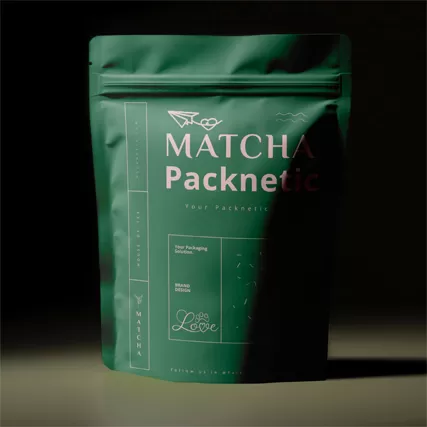 OFFSET PRINTING VS DIGITAL PRINTING: WHICH IS BETTER FOR CUSTOM PACKAGING
Offset printing is generally the better choice for high-volume packaging that requires consistent color and a lower unit cost, while digital printing is usually more suitable for short runs, faster launches, and designs that change frequently. The right option depends on order quantity, customization needs, lead time, and budget.
For brands ordering custom boxes, paper bags, labels, flyers, or other printed materials, the decision should not be based on print quality alone. Both methods can produce professional results, but they use different production processes and support different business needs.
How Do Offset Printing and Digital Printing Work?
Offset printing uses printing plates to transfer ink onto a rubber blanket and then onto paper or board. Because plates and machine setup are required, preparation takes more time and adds an initial production cost. Once printing begins, however, the press can handle large quantities efficiently while maintaining stable colors and sharp details.
Digital printing transfers artwork directly from a digital file to the selected substrate without using physical printing plates. Its shorter setup process makes it easier to begin production quickly, revise artwork, or print several design versions within one project.
In practical terms, offset printing rewards scale, while digital printing rewards flexibility.
When Should You Choose Offset Printing for Packaging?
Offset printing is usually the stronger option when a brand has finalized its design and needs a substantial quantity of identical packaging. Its setup cost is distributed across the entire production run, so the cost per piece can become more attractive as the order quantity increases.
It is also suitable for projects requiring fine text, smooth gradients, detailed graphics and consistent brand colors across thousands of units. This makes offset printing packaging a practical choice for established product lines, retail packaging programs, paper bags, books, flyers and repeat orders.
Companies serving food, cosmetics, pharmaceuticals, electronics or home-appliance markets may prefer offset printing when their artwork and product information will remain stable. Before production, buyers should confirm the packaging material, ink requirements, surface finishing, color standards and expected reorder quantity.
When Is Digital Printing the Better Choice?
Digital printing is useful when speed, lower initial commitment or frequent artwork changes are more important than achieving the lowest possible unit cost at high volume. Because conventional printing plates are not required, brands can move from approved artwork to production with fewer setup steps.
This makes digital printing packaging suitable for prototypes, market testing, limited editions, seasonal campaigns, localized language versions and small-batch product launches. It can also support variable data printing, allowing names, promotional codes, product information or graphics to change between printed pieces.
For startups and growing brands, digital printing can reduce the risk of ordering too much packaging before market demand is proven. It also makes it easier to update product information, promotional messages or design elements without holding a large amount of outdated packaging inventory.
How to Select the Right Printing Method
Begin with the expected order quantity, but also consider how long the design will remain valid, how many product SKUs are involved and how frequently the printed information may change.
Offset printing may provide better overall value for a stable design and a large repeat order. Digital printing may be more efficient when testing a new market, producing several small design versions or working with a tight launch schedule.
A hybrid approach can also be effective. For example, a brand may use digital printing for prototypes, initial market testing and early sales. After the packaging design and customer demand have been confirmed, production can move to offset printing for larger quantities and a potentially lower unit cost.
Packnetic supports OEM and ODM projects for paper boxes, paper bags, plastic bags, stickers, books, flyers, carbonless paper and other printed products. By reviewing the material, quantity, artwork, finishing requirements, target market and delivery plan, Packnetic can recommend a printing route that balances quality, cost and flexibility.
Frequently Asked Questions
Is offset printing cheaper than digital printing?
Offset printing is often more cost-effective per unit for large production runs because its setup cost is spread across more pieces. Digital printing is commonly more economical for smaller quantities because it avoids conventional plate-making and lengthy press preparation.
Which method offers better print quality?
Both methods can produce high-quality custom packaging. Offset printing is often selected for long-run color consistency and fine details, while digital printing works well for short runs, prototypes and designs requiring frequent updates.
Can digital printing be used for custom packaging?
Yes. Digital printing can be used for custom boxes, labels, cards, promotional materials and other short-run packaging applications. The final feasibility depends on the selected material, packaging dimensions, finishing requirements and available printing equipment.
Which printing method is better for a new product launch?
Digital printing is often a practical starting point when the expected order volume is uncertain or several designs need to be tested. Once demand becomes stable and larger quantities are required, offset printing may offer a more favorable unit cost.
What information should I provide for a packaging quotation?
Prepare the packaging type, dimensions, preferred material, order quantity, artwork, number of designs, surface finishing requirements, destination market and required delivery date. Packnetic can then evaluate whether offset printing or digital printing is more suitable for your project.
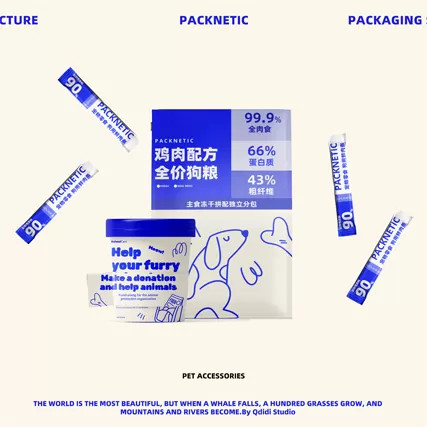 LOOKING FOR SUSTAINABLE PET PRODUCTS PACKAGING SOLUTIONS? HERE'S WHAT YOU SHOULD KNOW
The global pet industry is growing rapidly, fueled by rising pet ownership and the expansion of e-commerce. For modern brands, eco-friendly packaging solutions are no longer optional—they are a key part of product strategy, impacting safety, branding, and supply chain efficiency.
For B2B buyers and small business packaging needs, selecting the right pet products packaging ensures product integrity while helping brands stay competitive in international markets.
Why Pet Products Packaging Matters in Today's Competitive Pet Industry
Packaging in the pet sector serves multiple strategic purposes. It must meet pet food packaging requirements, ensuring product safety, freshness, and compliance. Materials like PET plastic food containers and flexible films are widely used for their durability and barrier properties.
At the same time, sustainability is a growing consideration. More brands are turning to recyclable packaging and biodegradable packaging, reflecting consumer expectations and regulatory pressure. Effective packaging now balances protection, logistics efficiency, brand recognition, and environmental responsibility.
Key Types of Pet Products Packaging for Different Product Categories
Different pet products require tailored pet packaging solutions. For dry food and treats, flexible pouches with PET PE plastic layers help maintain freshness and support lightweight shipping. Eco-friendly pet snack packaging is also becoming more popular, particularly for e-commerce and DTC brands.
Reliable wet pet food packaging relies on high-barrier structures, secure seals, and suitable PET lidding film to support airtight sealing and freshness retention. Non-food items such as toys or grooming tools frequently utilize kraft paper packaging, which combines durability with a natural, sustainable appearance. In premium segments, finishes like soft touch PET enhance perceived value and shelf appeal.
Printing on PET enables consistent branding across formats and markets, making it easier for B2B brands to communicate identity and product information effectively.
How Sustainable Pet Packaging Creates Business Value
Sustainability is no longer just a marketing point—it directly influences procurement and retailer decisions. Brands adopting eco-friendly packaging solutions or recyclable pet food packaging gain a competitive edge in regulated markets.
Innovations like eco-friendly pet bottles and kraft paper packaging help reduce environmental impact while maintaining product performance. Some companies also focus on pet food packaging recycling programs, integrating circular economy principles into their supply chains.
By combining sustainability with functional design, brands can differentiate themselves and use pet packaging solutions to meet consumer expectations and global compliance standards.
Custom Pet Packaging Solutions: Enhancing Brand Value and Market Presence
Customization plays a vital role in differentiating products. Using eco friendly pet food packaging allows brands to express their identity through material choices, structural design, color schemes, and print.
Functionality is equally important. Features such as resealable closures for pet snack packaging or moisture-resistant layers for pet plastic for food improve user experience and product longevity.
For startups and smaller brands, flexible production systems reduce inventory risk and enable rapid market testing. High-quality finishes like soft touch PET further enhance shelf impact, helping products stand out in both physical and online stores.
Choosing the Right Pet Packaging Manufacturer
Selecting the right manufacturer is critical for long-term growth. Brands sourcing pet snack packaging should look for consistent quality, food-contact material support, and scalable production.
Technical expertise in material selection, prototyping, and printing on PET helps brands meet market standards and pet food packaging requirements across target markets. Reliable suppliers also simplify logistics and support global distribution, helping brands reduce costs and improve efficiency.
Conclusion
As the global pet industry expands, packaging has become a key differentiator. From recyclable pet food packaging to advanced custom formats, the right packaging protects products, communicates brand values, and supports sustainability initiatives.
Build Your Brand with Sustainable Packaging
Packnetic is committed to helping overseas small businesses complete their green packaging transformation through professional support, flexible production, and transparent cooperation.
We invite you to explore more eco sustainable packaging solutions and discover how low-cost sustainable packaging can help your business grow in international markets.